Friday, 25 August 2023

Reflections on the Student Curation Project: Let Them Speak - Platforming Transgender Voices


The ‘Let Them Speak: Platforming Transgender Voices’ project is now available on the See Yourself on the Shelf webpage. Its accompanying exhibition is located in the University of York’s JB Morrel library, to the right of the entry-way help desk.

A group of people holding signs

Description automatically generated

When I began curating ‘Let Them Speak’, I was cheerfully optimistic that I would be able to source a small selection of books by a few well-known genderqueer authors. Little did I know how incredibly rewarding the ultimate product would be. With a list including over two hundred and sixty works, and eighteen different genres - incorporating a few somewhat unconventional, non-traditional modes of expression (such as zines, stand-up comedy, and dance) – this project surpassed my initial aspirations. Especially gratifying is the tangible, interactive display of trans creativity that now adorns the instillation space in the university library’s atrium.

In my curation introduction I shared my personal motivations for bolstering the authorial presence and representation of transgender people within the media and academia of the University of York library. I expressed a sense of urgency, explaining that this project would be especially impactful amid a contemporary climate of worsening “culture war” and increasing transphobia. The absence of representation, or the existence of negative portrayals punctuated by ridicule and distain, is simply harmful to trans people – discouraging even the most basic forms of positivity, such as self-respect. Consequently, this process has been overwhelmingly affirming, enabling me to the dip into the radical pride and positivity of Rose Syan’s Our Work is Everywhere, Leslie Feinberg’s Transgender Warriors and Juno Roche’s Trans Power, and celebrate the support of a community brimming with artistry, interest, and confidence. I hope that the project shall serve as a source of affirmation and positivity for other members of the university community, too.

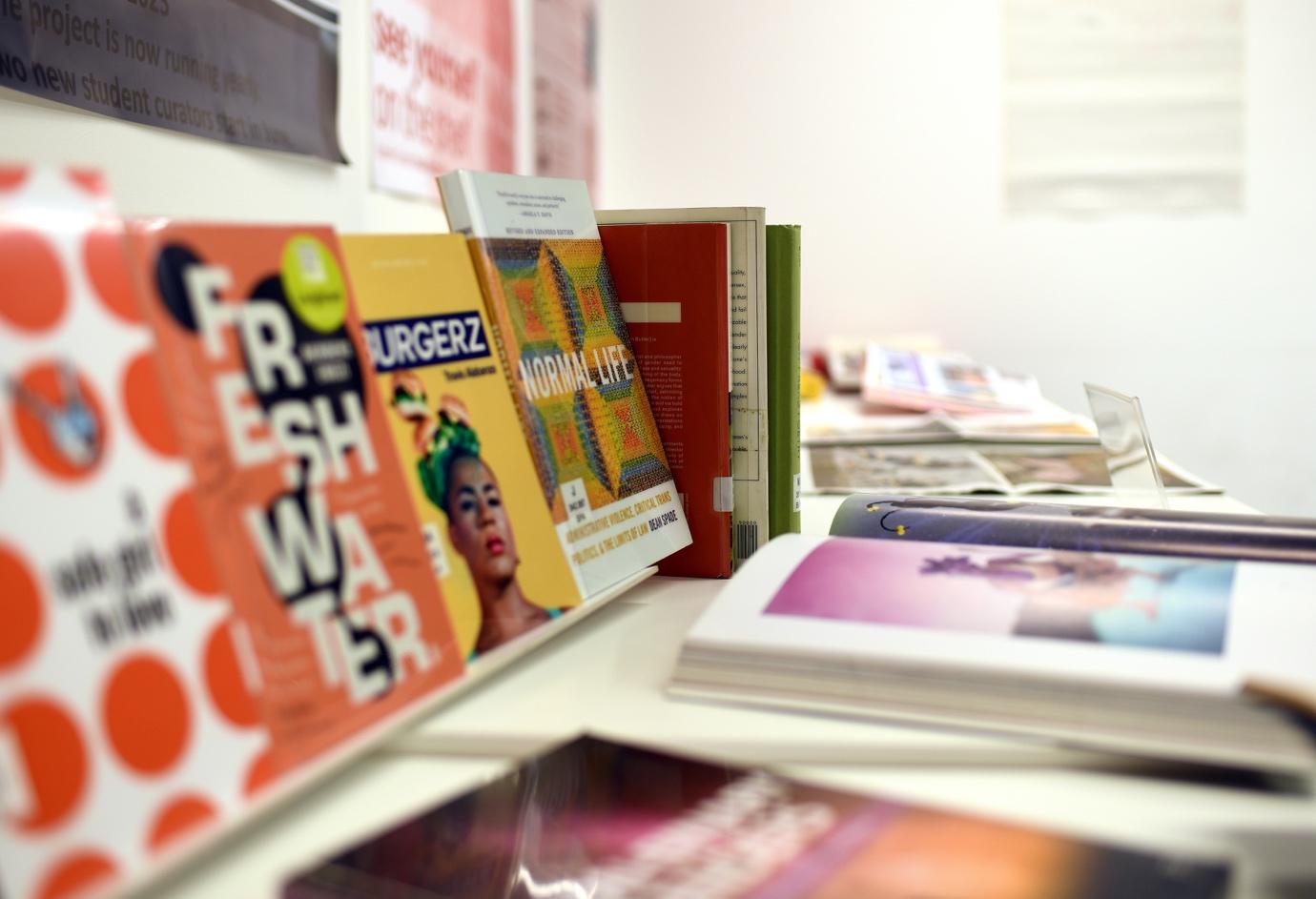
A close-up of several books

Description automatically generated

The undertaking of creating my reading list was thoroughly exciting, and a great excuse to peruse exciting new works (such as the current bestseller Pageboy by Elliot Page) and reread a few of my old favourites. Due to the relative inaccessibility of publishing and marketing opportunities to transgender authors, I was prepared to undergo thorough research and excavation to discover authors whom I’d never encountered before, beyond the mainstream. However, the wide variety of material that I was able to locate evinces the gradually improving accessibility of authorship for marginalised voices. I enjoyed browsing the websites of specialised LGBTQ+ publishers and booksellers, such as the Gays the Word bookshop, Topside Press, Cipher Press, Pride Publishing, Bold Strokes Books, and many more, to support smaller, independent publishers and locate lesser-known books. With recommendations from other institutions (also making deliberate efforts to diversify their bookshelves), including public libraries, universities, and publishers, I found plenty of interesting recommendations. The most helpful sources of inspiration, however, were trans booktokers, literary vloggers and bloggers - such as Youtubers Arthur Rockwell, Enby Reads, and Books and Bao. Each of their reviews and recommendations were intricately related to their own personal experiences and influenced by a deep affection for the trans community, making for particularly engaging reading experiences.


One of the most rewarding aspects of the curation process has undoubtedly been investigating intriguing intersectional viewpoints, and exploring how transgender perspectives enrich the endlessly vast array of human experience. By discovering books, films and artworks presented from diverse vantage points, and incorporating them into this project, I have highlighted the fact that trans people are everywhere, in every section of society – augmenting, questioning and enhancing the communities they belong to. For example, Joy Ladin’s Soul of the Stranger details her interwoven experience of Judaism and transness, exploring how the Torah and trans lives may illuminate one another, while Jo Henderson-Merrygold’s thesis Gender Diversity in the Ancestral Narratives, explores the variety of gender presented in Genesis, the Christian Old Testament. Jayy Dodd’s poetry in the collection The Black Condition Ft. Narcissus speaks to their experience as a blxk trans femme, and the multi-modal anthology Sovereign Erotics: A Collection of Two-Spirit Literature (edited by Qwo-Li Driskill, et al) strives to reflect the complexity of identities within native LGBTQ2 communities. Young Joon Kwak’s captivating instillation pieces and performance art explores the queer, racialised and abject body. Vivek Shraya’s music and prose interacts with her South Asian heritage. Seyi Adebanjo’s experimental video projects, especially Afromystic E.P: Exploring Gender Fluidity in the Divine, explores queerness in Yorùbá/Òrìṣà (West African) mythologies and traditions, aiming to empower their marginalised community, historically forgotten and overlooked. These wonderful works are just a few of the complex explorations of the porous, multifaceted experiences of gender, transness, and queerness included in the project’s reading list.

The library team has been wonderful in assisting me throughout the curatorship. I have especially appreciated their recommendations, influenced by their own interests. For example, Academic Liaison Librarian Dave Curtis, pointed me towards films restored and preserved by the distribution company Altered Innocence’s branch of queer films, Anus Films. Other library team members taught us a surprisingly complex mix of skills - special thanks go to Mattie Atkinson and Ned Potter who helped with coding on the LibGuides software and social media marketing, respectively. All of the library project members were wonderful throughout, continually helping us brainstorm fun new ideas - but in the end, Antonio was the only one tall enough to be able to blue-tack our posters up!

A table with books on it

Description automatically generated

There were challenges throughout the curatorial process that aided my appreciation for the work and effort that goes into creating a collection. Throughout the project I have attempted to avoid reducing any author to their transness. All creators are far more than their gender identity - many might even say that their gender is the least interesting thing about them. Their work isn’t assigned merit simply because they are trans. They are thought-provoking books, films, and artworks regardless. Furthermore, this reading list does not advocate for any singular ‘authentic’ existence of transness, or wholly disregard trans representation created by cis-identified people. Any quest for ‘authenticity’ and ‘genuine’ storytelling is problematic. Who am I to decide which story is ‘real’ and which is not? Lived experience undoubtedly informs the narratives we write, and how we read and understand the media that surrounds us. However, it is the imaginative potential of authorship that I seek to celebrate. As author Michael Gray Bulla states, trans authorship is crucial as it “gives some autonomy back to the trans community…because trans people have historically been on the margins, we’ve not been allowed to tell our own stories…when we have control over our own representations, we’re able to show our lives as they really are, to dispel some of those misconceptions and stereotypes, and to imagine alternative futures for ourselves that are full of hope, compassion, love, and humanity.” However, this does not mean sensitive and compassionate representation cannot be made by people without specific lived experiences. 


Throughout this curation I have faced these moral dilemmas and cultural challenges of platforming trans representation - as I anticipated in the ‘Endless Curation’ section of my introductory blog. Ultimately, I aim to emphasise that my reading list aims to be an encouraging introduction, rather than any sort of definitive list - it certainly has gaps (for example, it largely consists of narratives from anglophone, white Western authors). Despite the issues inherent to any sort of canonical list (which admittedly pushes work into the confines of genre, and enforces unavoidable prejudices), my curation aims to be an accessible way to diversify your leisure reading, and introduce you to some great trans authors, artists, and theorists.

This curation project hopes to demystify university workings by bringing the student voice into library collections, championing inclusivity, belonging and community in a way that makes the UOY library and its archives feel more approachable and welcoming. Now that my work on the project is complete, I am excited to witness the impact of my curation. I am hugely grateful for the support of the library team and for this wonderful explorative opportunity. I hope that it will engender greater curiosity, understanding and acceptance within the university community and encourage readers to make a deliberate and continual effort to engage with transgender voices. Thank you for reading!

A person standing next to a table with books

Description automatically generated


Reflections on the Student Curation Project: Unveiling Eastern Europe


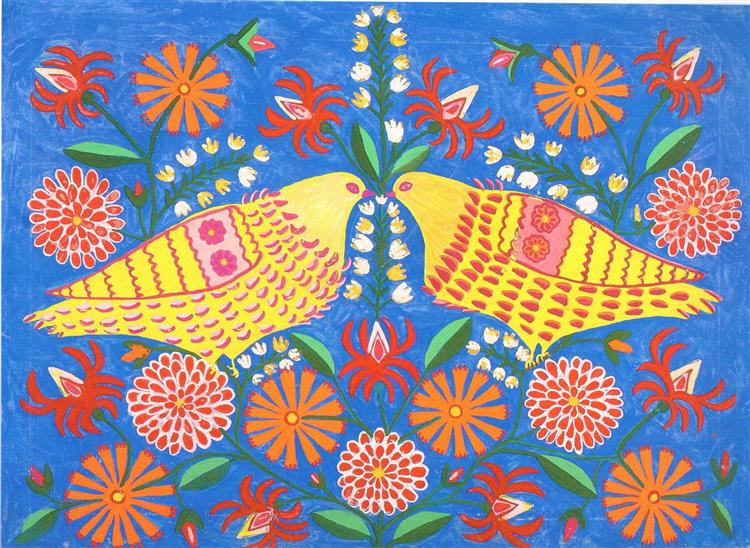
Painting of two pigeons by an Ukrainian artist Maria Prymachenko (Maria Prymachenko, Pigeons (1968), gouache on paper, 60 x 83.7 centimetres.)
            Maria Prymachenko, Pigeons (1968), gouache on paper, 60 x 83.7 centimetres.


It's been a few weeks since I began curating the Eastern European library collection, and looking back at it now I'm filled with a sense of accomplishment: the project has evolved from an idea into a tangible endeavour (in the form of physical books and written word) that holds the potential to reshape perceptions, empower communities, and foster a deeper understanding of Eastern Europe's diverse narratives.


When I first introduced the project, I shared my personal experiences as an Eastern European immigrant in the UK. The lack of representation and understanding I encountered ignited a passion within me to change the narrative. Now, having delved into the curatorial process, I realise that this project is not only about addressing underrepresentation but also about creating a space that embraces the complexities of Eastern European identity.


I'm acutely aware of the broader context that shapes the narratives and histories I am seeking to highlight. The war in Ukraine, a deeply complex and tragic conflict that began in 2014, serves as a stark reminder of the enduring challenges faced by Eastern Europe. This conflict has brought to the forefront the fragility of borders in the post-Soviet era and the intricate geopolitical struggles at play in the region. The war's devastating consequences, including significant loss of life and displacement of civilians, underscore the urgency of projects like this collection that aim to promote understanding, empathy, and interconnectedness among diverse communities. I wanted to especially highlight the importance of politics and history of the region, unveiling the reality many of the post-Soviet countries face, while raising awareness of the colonisation of Eastern Europe and Central Asia by Russia. The impact of it is still very much visible today, therefore it’s crucial to point out the importance of de-colonisation of this region and departure from imperialist narratives.. 


Unveiling Eastern Europe is more than just a collection of materials; it's a testament to the resilience and diversity of Eastern European communities. As I was carefully selecting texts on literature, history, visual art, and politics, I've come to appreciate the richness of my own heritage a little bit more. I was reminded of the brilliant writers, artists and scholars that come from this diverse region. Each piece tells a unique story, contributing to the tapestry of Eastern Europe's history and culture.


One of the most rewarding aspects of this journey has been the opportunity to amplify marginalised voices within the Eastern European diaspora. The project serves as a platform for LGBTQ+ individuals, ethnic minorities, and other marginalised communities to share their experiences. There is, I believe, this notion that Eastern Europe is a homogeneous region. I don’t think that’s true and I want my collection to reflect that, hence the inclusion of queer, Roma, and Jewish perspectives.


The curated collection isn't just for Eastern Europeans—it's an invitation for cultural exchange. It was my goal for readers from various backgrounds to engage with the collection, to challenge their preconceptions, and to foster empathy. This idea of mutual understanding and appreciation is at the heart of the project's mission.


As I've navigated the curatorial process, I've encountered challenges that have tested my determination. The process of selecting materials that capture the multifaceted nature of Eastern Europe while challenging stereotypes has required careful thought and research. But these challenges have also been a reminder of the importance of this project. The obstacles we face mirror the broader struggle for accurate representation and understanding.


Looking ahead, I'm excited about the impact this collection could have. It's not just about the present moment—it's about creating a legacy of inclusivity and celebration. It's about building bridges of understanding and fostering an interconnected society. I'm reminded of the initial goals I set out in the beginning—to bring Eastern European narratives to the forefront, challenge stereotypes, and foster greater understanding.


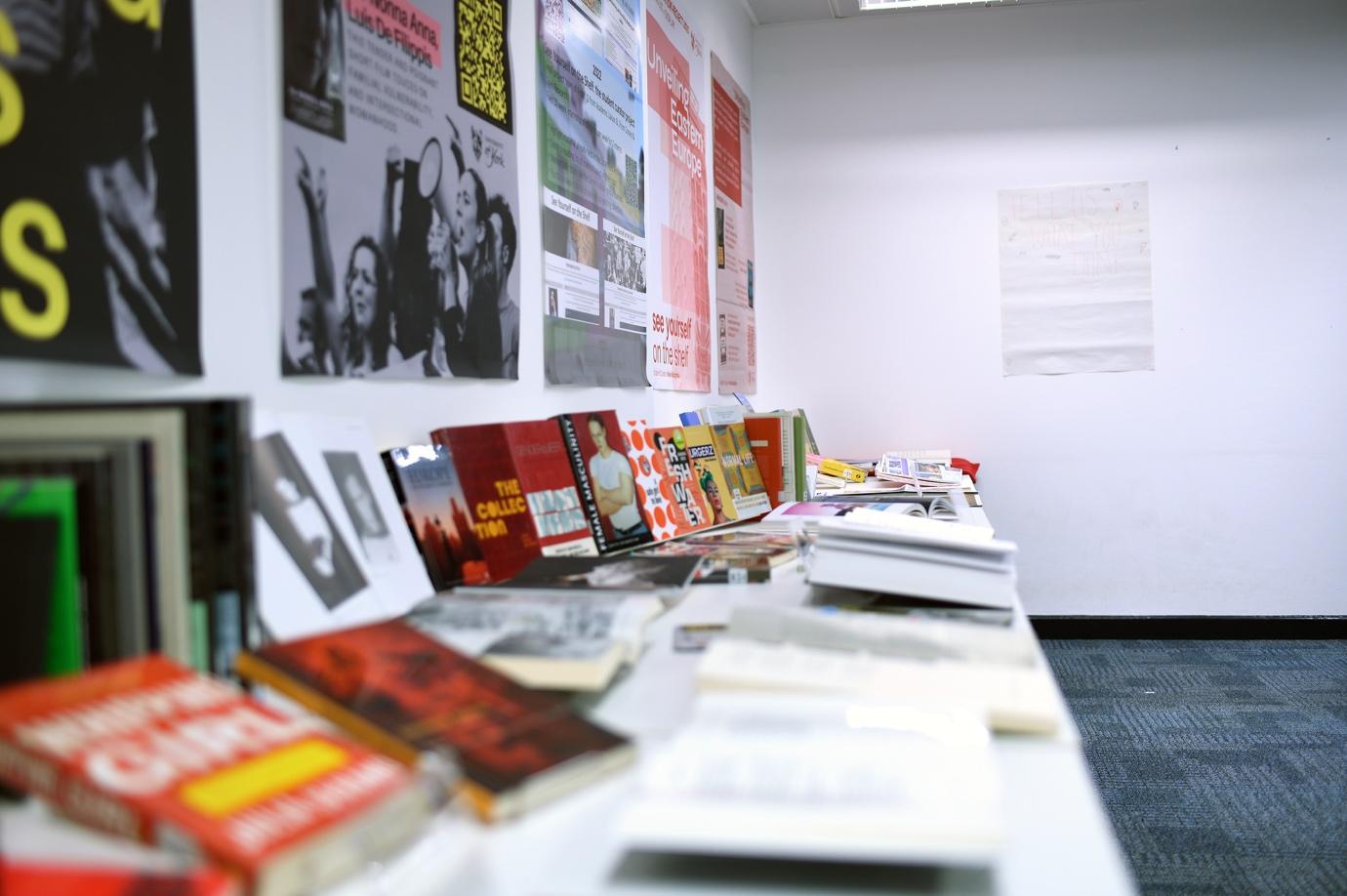
view of the display


And it's not just about the project itself, but also about the individuals whose lives it may touch. It's about the (not necessarily Eastern European) immigrant who will find solace in the pages of a book, knowing they are not alone, and smile seeing a surname similar to their own on the cover. It's about the curious reader who will explore a culture they knew little about. It's about the collective effort to rewrite a narrative, to reshape perceptions, and to celebrate the vibrant diversity that Eastern Europe embodies.


In these few weeks, the project has evolved from an idea into a reality, from a personal endeavour into a collective mission. I'm grateful for the support from the library team and the sense of purpose this journey has given me. As we move forward, I'm excited to see how the Eastern European library curation will continue to unfold and make a lasting impact on individuals, communities, and our understanding of the world around us.


view of the display


Monday, 10 July 2023

Student Curation Project: Let Them Speak - Platforming Transgender Voices

This summer we are delighted to have two Student Curators working with us in the Library. You can read the first post in this series here, from Ania Kaczynska. Below is today's post from Tilly Edney Harrison: Tilly is working on building a collection to help platform transgender voices.


Photo: Stop Killing My Trans Siblings by Alisdare Hickson. Reproduced under a Creative Commons licence.

Meet the Student Curator:


Hi, I’m Tilly! I’m a second-year English Literature student from London, and I’m nonbinary. I am passionate about the authorial presence and representation of transgender people in popular literature, film, and art, and aim to encourage greater curiosity, understanding and acceptance within the university community. During my study at the University of York I have felt the freedom to experiment with, and explore, my gender identity. Amongst other vital facilities, such as societies and socials, materials available through the University Library have been a crucial element of that. I hope to highlight these innumerable resources, accessible through the University Library and its archives, and encourage not just my fellow trans/genderqueer peers, but also the wider community, to throw themselves into the diverse narrative worlds of transgender authors. Amid recent upsurge in transphobic political rhetoric, legislation, the inaccessibility of health care, and increasing hate crimes - prompting the university community to uproot intolerant, societally dominant assumptions is imperative. Platforming the voices of transgender creators is essential to achieving this.


What are Transgender Narratives?


The Stonewall Organisation defines “trans” as an “umbrella term to describe people whose gender is not the same as, or does not sit comfortably with, the sex they were assigned at birth.” My project shall embrace this non-restrictive definition, including works by authors who queer the dominant conceptualisation of gender in endlessly different and unique ways. This curation shall highlight the voices of those who transverse and transcend binarizing Western gender norms.

The transgender community has historically been silenced. Often violently. Their voices have been subverted into stereotyped narratives that conform to (and bolster) the dominant, hegemonic Western gender binary. The life story of Lili Elbe in Man Into Woman (1933) and The Danish Girl (2015), for example, was mainly constructed through the voice of author/editor Niels Hoyer and publicist Paul Weber, and portrayed by cis actor Eddie Redmayne and director Tom Hooper. How then, might transgender people reclaim their voice, and begin to tell their own stories? These are the questions Sandy Stone asked in her foundational 1987 essay The Empire Strikes Back: A Posttranssexual Manifesto. Progress has certainly been made since then; transgender authors and publishing houses have emerged and flourished. However, there is still work to be done.


Why Read Transgender Narratives?


As a literature student, I know that stories are undeniably a force to reckon with. They permeate our everyday lives and are deeply enmeshed within our societal consciousness, in ways that we may not even be aware of (in our own subjectivities, news articles and recipes, for example). I believe that literature is not just a source of artistic beauty, it is also an integral tool for the exploration of the human experience. I remember reading Orlando (1928) at school, realising possibilities previously unimagined, and seeing feelings that I had previously been unable to shape into words represented. My understanding of gender was transformed when I read Judith Butler’s Gender Trouble (1990) for the first time in college and began to question the societal conceptions I had previously credulously accepted. I remember watching Ruby Rose’s short film Break Free in 2014 and feeling an overwhelming sense of validation.


Narratives – told through films, paintings, plays, comic books, and many other forms - shape not only the way we see the world around us, but also how we see ourselves. This is why literature plays such a crucial role in shaping our understanding of the complex issue of gender identity: as a platform for representation, an environment for exploration, and a window into diverse experiences and perspectives.


Over the course of my internship, I’ll be curating a list of widely varying materials, available from the University library, that exemplify the importance of narratives and artistic creation in the consideration of gender identity. Each book, movie and art piece might nurture a sense of validation, help to foster empathy and tolerance, serve as an educational tool, encourage deconstructive possibilities, be a safe space for self-reflection and exploration, and inspire critical thought.


Why Now?


Platforming transgender voices in our university community is particularly crucial amid a contemporary hike in trans-hate in the UK. Frequently labelled a “culture war”, an element of “identity politics”, there has been an undeniable increase in anti-trans rhetoric and proposed legislation in UK politics within recent years. Organisations such as The Trans Rights Index and Transgender Europe (TGEU) have stated that the UK is going ‘backwards’ on transgender rights, as transphobia has seemingly infiltrated the government’s agenda. They cite incidents such as the Equalities Minister, Kemi Badenoch, proposal (in April, this year) to alter the 2010 Equality Act to change the legal definition of ‘sex’, stripping trans people of many of many rights and protections, a proposal that was supported by the Equalities and Human Rights Commission. The use of Section 35 to block Scotland’s new Gender Recognition Legislation (this January) sparked protests from trans people and their allies around the United Kingdom. And recently, leaked video footage of Prime Minister Rishi Sunak mocking transgender women at a Conservative committee meeting, on June 5th, displays the government’s willingness to deride and dehumanise transgender people.


Healthcare is also an area of strife for transgender people in the UK – The London Assembly Health Committee found in 2022 that 70% of trans people had experienced transphobia from their primary care provider, and 14% were refused GP care. Gender affirming healthcare is extremely difficult to access through the NHS – a process plagued with invasive questions, and seemingly endless waitlists – forcing some transgender people to immigrate in order to receive life-saving medical attention.


This political rhetoric and medical inaccessibility has an undeniable impact upon the lives of trans people in the UK. Transphobic media narratives, political hostility and widespread ignorance translates into violence against the trans community, as evidenced by a rocketing in hate crimes targeting transgender people – there was an increase of 56% from 2021-2022 (according to The Independent). Tragically, this February, one such hate crime resulted in the murder of sixteen-year-old transgender girl Brianna Ghey in Cheshire. UK media outlets, such as The Times, Sky News and even the BBC were criticised for their transphobic coverage of Ghey’s death (deadnaming and misgendering her). Additionally, due to the Gender Recognition Act 2004 that prevents minors from acquiring gender recognition certificates, Ghey’s death certificate will likely misgender her - a failing that has been described as a final insult from the English government.


This is why diversifying the library is crucial. My curation aims to educate, and shine a light of validation upon, the University community amid misinformation and derision.


An Endless Curation:


Undeniably, my curation shall be far from exhaustive. It shall be unavoidably informed by its privileged frame of reference and Western context. However, I shall attempt to provide an introduction to the manifold creations of transgender authors, reflecting the unending diversity of transgender experience and oeuvre.

This curation shall strive to engage with the complications of intersectionality, exploring how issues of gender intersect and interact with other aspects of identity (such as ethnicity, class, sexuality, disability, and age), by platforming authors who give voice to these interconnected identities. My curation shall attempt to represent cultural variations in conceptualisations of gender, and the Colonial and Orientalist implications of the imposition of Western gender constructs. It shall strive to generate questions of subjectivity and fluidity, deconstructing privileged notions of stability. Addressing the question of historical contexts, this curation shall explore intriguing antecedent sociocultural understandings of gender and queerness, and the benefits of ‘queer affect’ - seeing one’s queerness in ancient texts - without imposing definitive modern labels and conceptualisations upon historic subjects.

The imaginative and deconstructive potentialities that abound from transgender voices (especially those engaging with Queer Theory) mean that many of these works shall defy genre, form and convention. They shall call into question preconceived notions of, not only gender and sex, but also race, misogyny, nationality, embodiment, and authorship.

Therefore, despite its limitations, I hope that this collection shall go a short way towards highlighting the marginalised narratives of gender queer people, perhaps introducing you to texts that you haven’t previously heard of and encouraging readers to make a deliberate and continual effort to engage with transgender voices.

Wednesday, 5 July 2023

Student Curation Project: Unveiling Eastern Europe

Student Curator Ania Kaczynska is working on building an Eastern European Collection for the University Library. Here they outline their background and introduce the project. (Ania is one of two Student Curators we have working with us at the moment; read about the other curation project happening at the same time, here.

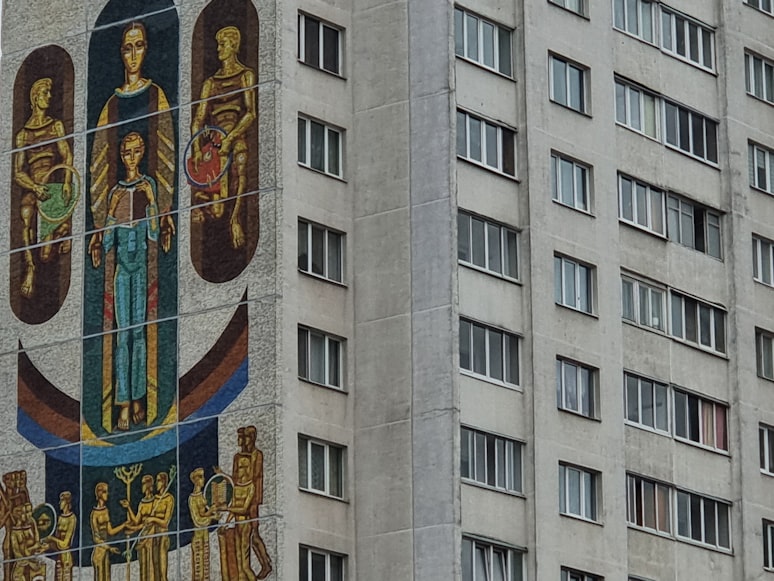
Soviet tall building with a mural on the side of it
Vladimir Malyavko, Minsk. Belarus, 2023. Photo via UnSplash.


As an Eastern European immigrant in the United Kingdom, I quickly discovered that my identity and experiences were not adequately reflected in the spaces I encountered, despite the sizable population of approximately 2.2 million Eastern European nationals residing here. This personal struggle ignited a desire to change the narrative and create a platform where Eastern Europeans can feel acknowledged, understood, and honoured. Today, I am excited to introduce a project that aims to curate an Eastern European Library Collection,  fostering diversity within the library and empowering individuals from the region. 

When I first arrived in the UK, I encountered a distinct lack of representation and understanding of Eastern European culture, history, and perspectives. I yearned for a connection to my roots, a space where I could explore the richness of Eastern European heritage, and a platform that recognised the contributions of our communities. This personal struggle has driven me to initiate a project that not only addresses the underrepresentation but also aims to create a lasting impact on how Eastern Europeans are perceived and valued in Western Europe.

The curatorial project I'm undertaking, titled Unveiling Eastern Europe: Narratives, Politics, and Cultural Expressions, seeks to challenge stereotypes, dismantle biases, and promote inclusivity by curating a diverse range of materials that highlight the multifaceted nature of Eastern Europe. From literature to history, art, politics, and beyond, this collection will capture the essence of our diverse communities, providing a space for exploration, learning, and celebration.

Central to this project is the intention to amplify marginalised voices within the Eastern European diaspora. Through the collection, we aim to provide a platform for individuals from various backgrounds, including LGBTQ+ individuals, ethnic minorities, and other marginalised communities, to share their stories and experiences. By doing so, I hope to foster a sense of empowerment, representation, and solidarity among Eastern Europeans living in the UK.

The Eastern European Library Collection will not only serve as a resource for the Eastern European community but also as an invitation for cultural exchange and mutual understanding. By engaging with this collection, readers from all backgrounds will have the opportunity to explore the rich tapestry of Eastern European heritage, challenge their preconceptions, and foster empathy and appreciation.

I believe that together we can build bridges of understanding, celebrate diversity, and create a more inclusive and interconnected society. Unveiling Eastern Europe: Narratives, Politics, and Cultural Expressions is a call to action, an invitation for everyone to participate, learn, and grow. It is driven by my personal experiences and aspirations, but I primarily aim to create a lasting legacy of inclusivity and celebration. My goal is to bring Eastern European narratives to the forefront, challenge stereotypes, and foster a greater sense of understanding and appreciation for the diverse cultures and perspectives that Eastern Europe has to offer. 


Tuesday, 24 January 2023

Retaining rights to make publications open access: the N8 partnership approach

Jonathan Cook is Open Research Project Officer based in Library, Archives & Learning Services. In this post, he looks at the significant collaborative approach to open access publishing announced by the N8 Research Partnership, and how it will impact York researchers and policy.

Image of an open padlock on a laptop
Photo: Lock on laptop, Rawpixel www.rawpixel.com/image/5908216
reproduced under a Creative Commons CC0 licence 

The N8 Research Partnership, of which York is a member, today released details of a collaborative approach aimed at strengthening and harmonising Open Access policies across eight of the leading universities in northern England. This new initiative aims to empower researchers to make their work openly available immediately on publication, removing current barriers to dissemination and streamlining an often complicated process. 

The N8 approach revolves around “Rights Retention”. In basic terms this is a recognition that authors should have certain rights over the research publications that they have created. In the past, researchers have typically been required to relinquish all rights to their research when signing contracts with publishers. This means they are left with limited ability to share their work. The University believes that open research practice enables a wide range of audiences to freely discover and engage with its excellent research, makes the research process transparent, and creates new opportunities for outputs and methods to be reused, reproduced and credited. If authors cannot exercise the rights to their research, and do not feel empowered to make their work open, these benefits become much harder to achieve.

This in turn can make it difficult for researchers to comply with Open Access requirements set by research funders. For instance, UKRI – the largest funding body in the UK – requires its authors to make their works openly accessible upon publication. This is often not possible in the current ecosystem, where publishers can place access embargoes on all versions of a paper, meaning the research may not be available until months or even years later.

Plan S logo
Plan S logo, © Coalition S
Rights Retention in an Open Access context was first endorsed by faculty at the University of Harvard in 2008 and it has been the basis for many subsequent Open Access policies in the US, and more recently in the UK. In early 2022, the University of Edinburgh became the first UK institution to adopt a Rights Retention policy, with Cambridge and St Andrews among the universities that have since moved to this approach. Rights Retention is also the first principle of Plan S, the Europe-wide initiative towards greater open-access. As many of the largest research funders in Europe are members of Plan S, Rights Retention principles are also likely to be endorsed by a growing number of institutions on the continent. 

In the N8 approach, the researcher grants their university a non-exclusive licence to make the peer-reviewed Accepted Manuscript version of a research article immediately and publicly available as soon as the final version is published in a journal. This licence then has precedence over any agreement subsequently made with the publisher. A Rights Retention model simply recognises and reinforces the rights that an author should hold over their own work. The journal publisher retains their right to charge for access to the final published, typeset version of the work, ensuring that all parties remain recompensed for their valuable input.


N8 Research Partnership logo
N8 logo. © N8 Research Partnership

Rights Retention will make it easier for researchers to make their work openly available and enjoy the benefits associated with open research. By continuing to deposit manuscripts to the York Research Database, authors can be confident that this is sufficient to comply with funder requirements, as well as meeting likely eligibility criteria for future Research Excellence Framework exercises. This is a positive move, from a situation where the responsibility fell on the individual researcher to make sense of the complex OA requirements of their particular case, to an environment where the University takes leadership in facilitating the open sharing of its research. 

The N8 Universities will now be implementing these principles. Leeds, Newcastle and Sheffield have already announced their new Rights Retention policies.  

More information about how this approach will affect Open Access policy at the University of York, along with guidance for researchers at York, will be available soon.

Friday, 2 September 2022

My Introduction to Open Research Practices and Principles

Kate Smith recently worked as a Project Coordinator Intern for the Open Research team where she helped to create a strategic skills framework for open research practice. In this blog post, Kate reflects upon the important role of open research values, principles and culture at the University of York.

What is Open Research?

Open research embodies the idea that all aspects of the research cycle should be as open as possible, as closed as necessary. When I first joined the Open Research team, my knowledge and experience in open research practice was very much limited. However, I was attracted to the opportunity because I was eager to learn more about how open research can benefit an increasingly complex and digital world. 

My initial exploration into open research was focused on the history of knowledge-sharing and how this has transformed research as we know it today. The practice of open publication and knowledge sharing was first established in the 1990s with the widespread availability of Internet access. Here, it was possible for researchers to publish their own work and also make it instantly accessible anywhere in the world. The first online, free-access journals emerged at a time when the traditional, print-based journal system was in crisis. Today, there are more than 12,000 academic journals available to researchers to publish and share their work. 

In a post-COVID climate, scholarly attention is now focused on the need to make research a more open and collaborative process. Open research, also known as open science or open scholarship, is practised and supported by those who want to further the potential of digital technologies in scholarly communication.


Projector display screen in the Berrick Saul Treehouse showing the Open Research at York: Two Years On event poster
Photo from the Two Years On event in July

Open Research at York

The Open Research team at the University of York have made tremendous efforts in promoting and supporting an open research community. Their work includes the successful development of an Advocates Network which includes academics, researchers and support staff who are champions of good open research practice. 


During my internship, I had the fantastic opportunity to meet with advocates and fellow practitioners of open research at the Two Years On event. Many of the presenters at this event were recipients of the Open Research Awards scheme which recognises work that encourages dialogue, reflection and border thinking about open research practices. Here, I was introduced to the brilliant work of Caitlin Doley and her colleagues who had created the innovative Aspectus: A Journal for Visual Culture, and Vlad Ungureanu and Dr Andrew Mason’s JBU visualisation tool which demonstrated the massive potential of sustainable software practices in the advancement of biomedical research. 


Open research lifecycle wheel diagram, with four segments labelled Develop, Acquire, Process and Publish
A preview of the open research lifecycle wheel from our forthcoming skills framework

An Open Research Skills Framework

Over the course of my internship, I have learnt about the roles, challenges and benefits of open research for the research community at York. The objective of my internship was to create an inclusive skills framework which outlined the knowledge and skills of open research practices as well as provide information on relevant guidance and support. 

In addition to my own research, I had the opportunity to meet with open research advocates and practitioners who provided critical feedback to my first draft of the skills framework. 

We are aiming to finalise and launch the Open Research Skills Framework in time for the start of the 2022/23 academic year. Follow @UoYOpenRes on Twitter for the latest updates on this and other York Open Research initiatives.

Monday, 4 July 2022

Return of the York Open Research Awards

In this post Ben Catt, Open Research Librarian, announces this year’s York Open Research Awards recipients and shares an invitation to our Two Years On event on Wednesday 13th July.

York Open Research Awards 2022 logo; white and yellow text on purple background with University of York and UKRI Research England logos

As we reach the end of another academic year, we are pleased to announce the recipients of our second round of York Open Research Awards. This University-wide scheme ran during summer term, welcoming projects and initiatives from researchers across all disciplines, levels of study and career stages. 

The criteria and motivations behind the awards were similar to last year (see previous blog post). The purpose of this year’s scheme was, once again, to celebrate innovation, advocacy and good practice in open research whilst addressing and reflecting upon some of the issues and barriers faced by researchers who engage in such practices. What we mean by good open research practice is that different aspects of the research lifecycle are shared and accessible, helping to make the research process transparent and creating new opportunities for outputs and methods to be reused, reproduced and credited. The motive behind running another awards scheme was to continue incentivising and highlighting examples of good practice across the University, helping contribute towards a University research culture where open is seen as the default (see Open Research at York).

The proposal for this year’s awards was developed in collaboration with members of our practitioner-led Open Research Advocates network. As we reflected upon last year, it was important to have their input in the scheme from the outset. We also had an interdisciplinary judging panel which included a representative from each faculty at the University (lecturers from Environment and Geography and Education, the Research Development Manager for the Arts & Humanities) and an ECR rep - a postgraduate researcher from Psychology.

Open for submissions

UKRI Research England logo
Research England logo © 2022 UKRI (source)


Funding for this year’s awards came from a UKRI Research England grant for enhancing research culture. Open research has a key role to play in how research is valued, rewarded and incentivised, and we were successful in securing a share of this grant which has been allocated to the University as a whole to support activities covered by the Government’s R&D People and Culture Strategy. We set aside £200 for each prize, and took the same approach as last year by grouping the awards into categories for each faculty and by type of submission (research projects and advocacy or training initiatives). 

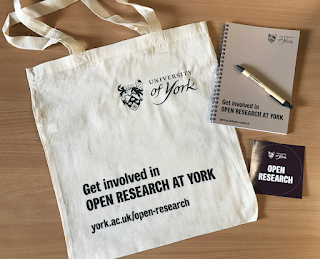
We also commissioned some York Open Research merchandise to help incentivise submissions, which involved some lengthy, but helpful, discussions with our central Communications Support team on the University’s new branding guidelines! We ended up opting for the simplest combination of fonts and colour palettes, and we’re in the process of embedding this new visual identity on our web pages and elsewhere. We purchased "Get involved in Open Research at York" tote bags, notebooks, eco-friendly pens and stickers, which we’ll also be offering at our Two Years On event next week (see below). 

York Open Research merchandise, including a tote bag, pen, notebook and sticker

Submissions were open for four weeks between April and May, during which we received 23 entries across nine departments (an improvement on last year, when we received 15 submissions across eight departments). We’d like to thank all those who submitted their work, as well as members of our Advocates network and others who shared information about the awards in their areas. 

Last year the judges were quite generous and decided that all the submissions were worthy of awards. This year’s submissions were strong, but the panel chose to exercise a bit more discretion and selected just 12 entries for recognition. This included seven from Sciences (mostly Department of Psychology), three from Social Sciences (all from Education) and two from Arts & Humanities. We had a good share of staff, postgraduate researcher and student awardees, including one third year undergraduate in Psychology. There was also a greater share of undergraduate and postgraduate submissions this year than last year, which was good to see.

A full list of awardees is available on our York Open Research wiki space, and in the following tweet thread:

Awardees include a postgraduate researcher-led open access journal in History of Art, open source tools in Biology and Chemistry, and several projects in Education and Psychology where workflows and methods have been shared openly through preregistration and other means. We will be working with our awardees to develop advocacy and training materials based on their work, hopefully including new additions to our series of  Open Research in practice case studies.

Open to ideas

We are keen to hear from members of our research community, including those who participated in this year's awards, with any suggestions on how we might be able to improve the awards scheme if it goes ahead next year.

For instance, we didn’t spend all the funds that had been allocated for prizes as we didn’t have any eligible submissions in certain categories, and the distinction we created between submission types (projects and initiatives) was difficult to determine in some cases. Next year we may reconsider our use of prize categories, taking into account the different levels of awareness and engagement which continue to exist across disciplines, and the need to further encourage open practices in some areas (see previous post on our summer 2020 survey).  

Quite a few submissions included lengthy descriptions of the research topic itself, whereas the judges were just looking for evidence of open research practices and principles in the work. We could perhaps revise the submission form to encourage more focused and relevant submissions. Another reflection is that the awardees announcement came later than planned, and ended up being the same day as the York Graduate Research School 3 Minute Thesis competition and a day before the YUSU Excellence Awards. If we are able to run another awards scheme next year then we should consider the timings more carefully to take account of other events such as these. 

An open invitation

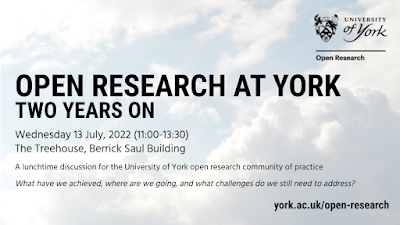
    Open Research at York: Two Years On event poster; black text on cloudy sky background with University of York logo. Text reads: Wednesday 13 July, 2022 (11:00-13:30) The Treehouse, Berrick Saul Building; A lunchtime discussion for the University of York open research community of practice; What have we achieved, where are we going, and what challenges do we still need to address?


This year we have invited all the winners to attend York Open Research: Two Years On, an in-person event scheduled for next Wednesday, 13th July. Three awardees are contributing posters for the event, and four have agreed to do presentations, which should be a good way to share these projects with the wider research community at York. 

This will be a friendly and informal event for staff and postgraduate researchers, reflecting upon what we have achieved in the past two years as an open research community of practice and considering where we are going and what challenges still need to be addressed. The event will be hosted by Professor Sarah Thompson, chair of the University of York Open Research Strategy Group, and will include lunch and refreshments. 

You can find out more and register for the event here if you haven’t already done so. We look forward to being able to meet with our research community in person after two years of online events and Zoom meetings!